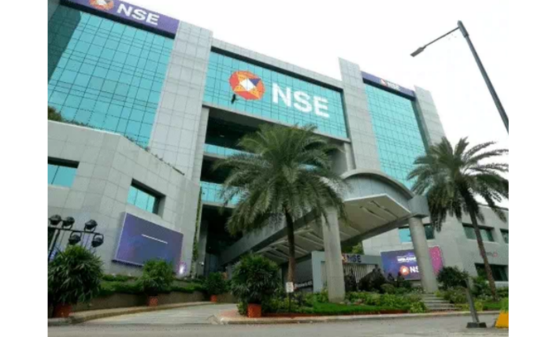
Markets Tumble as Sensex Drops 1,000 Points; IT Stocks Under Heavy Pressure
Mumbai, April 24: Indian stock markets witnessed a sharp decline on the last trading day of the week, with benchmark indices ending significantly lower due to global uncertainties and geopolitical tensions. The BSE Sensex dropped 1,000 points, or 1.29%, to close at 76,664, while the Nifty 50 fell 275 points, or 1.14%, to settle at 23,898. The sell-off was largely driven by heavy pressure in IT stocks, which emerged as the worst-performing sector during the session.
IT Stocks Drag Market Lower
The decline in the market was mainly led by significant selling in information technology stocks, as investors turned cautious amid weak global cues. IT companies, which generate a large portion of their revenue from international markets, are particularly sensitive to global economic conditions. Ongoing uncertainties and rising geopolitical tensions have prompted investors to reduce exposure to export-oriented sectors, leading to a broad-based decline in IT shares. Apart from IT, other sectors such as banking, FMCG, and financial stocks also witnessed moderate selling, reflecting an overall negative sentiment in the market. The broader market also remained under pressure, with mid-cap and small-cap stocks following the downward trend.
Geopolitical Tensions Impact Investor Sentiment
Market sentiment was significantly affected by escalating tensions between the United States and Iran, which have created uncertainty across global financial markets. Donald Trump recently extended the ceasefire deadline, but the situation remains unresolved. The US Navy continues its presence near Iranian ports, while Iran has reportedly seized two vessels in the strategically important Strait of Hormuz. This region is crucial for global oil supply, and any disruption raises concerns about energy security and economic stability.
Amid these tensions, global oil prices have surged sharply, with Brent Crude Oil trading above $100 per barrel. The rise in crude prices is driven by fears of supply disruptions and strong global demand. Higher oil prices pose a challenge for countries like India, which rely heavily on imports, as they can lead to increased inflation, higher costs for businesses, and pressure on economic growth. These concerns have contributed to a risk-averse sentiment among investors, leading to selling pressure in equity markets.
The market had already shown signs of कमजोरी in the previous session as well. On April 23, the Sensex had declined by 852 points to close at 77,664, while the Nifty fell by 205 points to end at 24,173. While sectors like pharma and media saw some buying interest during that session, auto stocks faced significant selling pressure, indicating early signs of market weakness.
Analysts believe that the current volatility may continue in the near term as investors remain cautious about global developments. Geopolitical risks, rising crude oil prices, and uncertainty in international markets are likely to keep sentiment subdued. Investors are expected to closely track developments in the Middle East, along with trends in global markets and commodity prices, before making fresh investment decisions.
Overall, Friday’s sharp fall highlights the sensitivity of Indian markets to global events. Until there is clarity on geopolitical tensions and stability in crude oil prices, market movements are expected to remain volatile, with investors adopting a cautious and selective approach.