Surat, September 13, 2025: The cricketing world witnessed a new chapter of controversy during the ongoing Asia Cup as the Pakistan Cricket Board (PCB) faced embarrassment following the International Cricket Council’s (ICC) rejection of its demand to remove match referee Andy Pycroft. The demand came after a heated row surrounding Team India’s refusal to shake hands with Pakistani players during their group-stage clash.
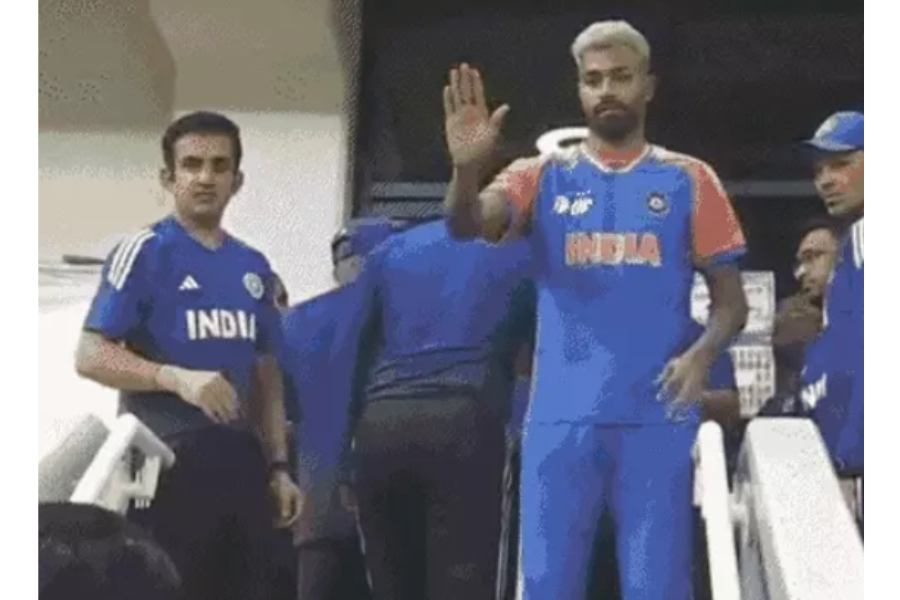
On Sunday, in a much-anticipated fixture, India defeated Pakistan by seven wickets in a dominant performance. However, the post-match scenario attracted more headlines than the result itself. Indian players did not engage in the customary handshake with their Pakistani counterparts, sparking a political and sporting debate. According to sources, the decision was not spontaneous; it was taken jointly by the Board of Control for Cricket in India (BCCI) and the Indian government.
Political Undertones Behind the Decision
The refusal to shake hands was reportedly part of a larger strategy, reflecting the strained diplomatic ties between the two neighboring nations. The Indian government and BCCI were aligned on the position that while the team would participate in the tournament, there would be no show of friendly gestures with the Pakistani side.
PCB, angered by the move, filed an official complaint with the ICC, accusing Team India of unsportsmanlike conduct. PCB also blamed match referee Andy Pycroft, alleging that he had instructed the captains not to shake hands after the toss, claiming it was done under Indian influence. Subsequently, PCB demanded Pycroft’s immediate removal from his role in the tournament.
ICC Turns Down PCB’s Request
The ICC, however, dismissed the complaint, calling it “unsubstantiated” and maintaining that the referee had acted within the rules of the game. “The conduct of the match referee was in line with ICC protocols. There has been no breach of code of conduct,” an ICC official was quoted as saying.
This outright rejection has been viewed as a diplomatic blow for PCB, whose credibility has come under fire. Reports suggest that the ICC considered PCB’s demand as politically motivated rather than based on cricketing principles.
Team India’s Stand Will Continue Throughout Tournament
As per insiders, Team India has decided not to shake hands with Pakistani players for the remainder of the Asia Cup. The decision is part of a “collective understanding” between BCCI, the players, and the Indian government. Sources further revealed that if India reaches the Asia Cup final on September 28 and goes on to win, the team will not accept the trophy from PCB Chairman Mohsin Naqvi, who is currently serving as the Asian Cricket Council (ACC) chief.
The move is expected to further strain relations between the two cricket boards. While BCCI has not issued an official statement yet, political analysts believe the decision aligns with India’s broader stance on maintaining a firm approach toward Pakistan.
Possible Future Clashes
The next potential flashpoint is September 21, when India and Pakistan may face off again in the Super-4 round. However, Pakistan will first need to defeat UAE to qualify. If Pakistan fails, the only possibility of another clash would be in the final, should both teams qualify. Either way, India’s stance is expected to remain unchanged.
PCB Threatens Withdrawal
In response, PCB Chairman Mohsin Naqvi publicly criticized the ICC, accusing it of siding with India. “Pycroft has failed to uphold the spirit of cricket and the ICC Code of Conduct,” Naqvi claimed. PCB has reportedly warned that if the ICC does not act, Pakistan could withdraw from the tournament altogether.
Media reports indicate that this threat is being closely monitored by both the ICC and ACC. However, cricket experts argue that withdrawal may further isolate PCB on the international stage and harm Pakistan’s cricketing reputation.
Wider Implications for Cricket Diplomacy
The incident has once again highlighted how cricket between India and Pakistan remains more than just a sport it is a reflection of political relations. While fans of both sides eagerly await these matches, the underlying tensions often overshadow the game itself.
If PCB does indeed pull out of the tournament, it could have far-reaching consequences, not just for the Asia Cup but also for future bilateral and multilateral cricket engagements. Meanwhile, BCCI’s silence continues to add intrigue, as the board has strategically avoided public comment on the controversy.
As the Asia Cup progresses, the world will watch closely to see whether cricketing spirit can overcome political divides, or whether the game will continue to be held hostage by diplomatic tensions.