Luxury Cars to Get Slightly Cheaper Despite Higher GST; Small Cars to See Savings of ₹60,000
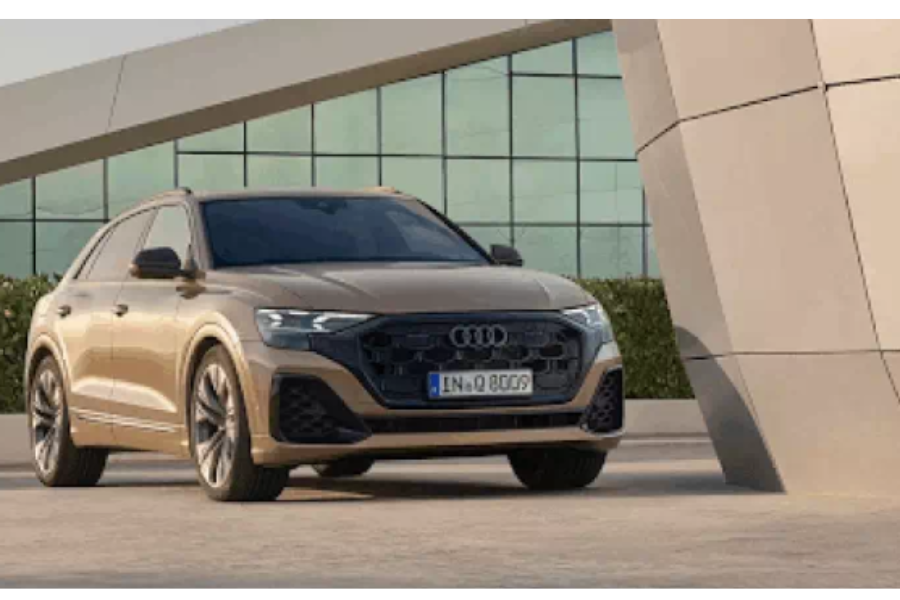
Finance Minister Nirmala Sitharaman on 3rd September 2025 announced major changes in the Goods and Services Tax (GST) structure, directly impacting the automobile industry. According to the new rates, luxury cars will now attract 40% GST, up from the earlier 28%. However, with the removal of the additional compensation cess, high-end vehicles such as Mercedes-Benz, BMW, and Audi may still become slightly cheaper than before. Smaller cars and two-wheelers, on the other hand, are set to witness significant price cuts.
Luxury cars: GST increase but cess removed
Earlier, luxury cars carried 28% GST along with a compensation cess of 17–22%, which pushed the effective tax burden to nearly 50%. For example, a luxury vehicle worth ₹1 crore was taxed by almost ₹50 lakh.
Under the revised structure, these vehicles will face a flat 40% GST rate with no cess. This means the tax on a ₹1 crore Mercedes could now be around ₹40 lakh. Though the GST rate has increased, the elimination of cess reduces the overall tax burden.
The new rule applies to vehicles above 4,000 mm in length or with engine capacity exceeding 1,500 cc. Experts believe the difference in prices will not be very large, but buyers may see some relief compared to earlier taxation.
Small cars and bikes to become cheaper
The biggest benefit of the GST restructuring is for the middle-class buyer. Petrol cars up to 1,200 cc and diesel cars up to 1,500 cc will now attract 18% GST instead of 28%. Popular models like Maruti Alto, Swift, and Tata Nexon are expected to become cheaper by nearly ₹60,000.
Two-wheelers with engines up to 350 cc, including Honda Activa and Honda Shine, will also see a price reduction. Commercial vehicles such as buses, trucks, and ambulances have been brought under the 18% slab, down from 28%, providing relief to fleet operators and transport companies.
Simplified GST slabs announced
The Finance Minister also announced a simplification of the GST system. Instead of multiple tax rates, only two slabs will remain in effect from 22nd September—5% and 18%.
Essential food items like milk, bread, parathas, and pulses will remain exempt from GST. Health insurance, life insurance, and treatment of serious illnesses will not attract any tax. Additionally, 33 life-saving medicines and drugs for rare and critical diseases have been made tax-free.
Everyday products such as soaps, shampoos, and air-conditioners will fall under the new 18% slab, along with cars and two-wheelers.
Industry expectations
Industry experts say that the cess removal will slightly ease the cost of luxury cars, while middle-class buyers will clearly benefit from cheaper small cars and bikes. Automakers are expecting a rise in demand, especially during the festive season.
While the relief on luxury cars is marginal, the reduction in GST for affordable vehicles is expected to give a significant boost to sales volumes.