India Proposes Tariff Reduction Amid Strained Ties; Trump Claims U.S. Hurt by “One-Sided” Relations
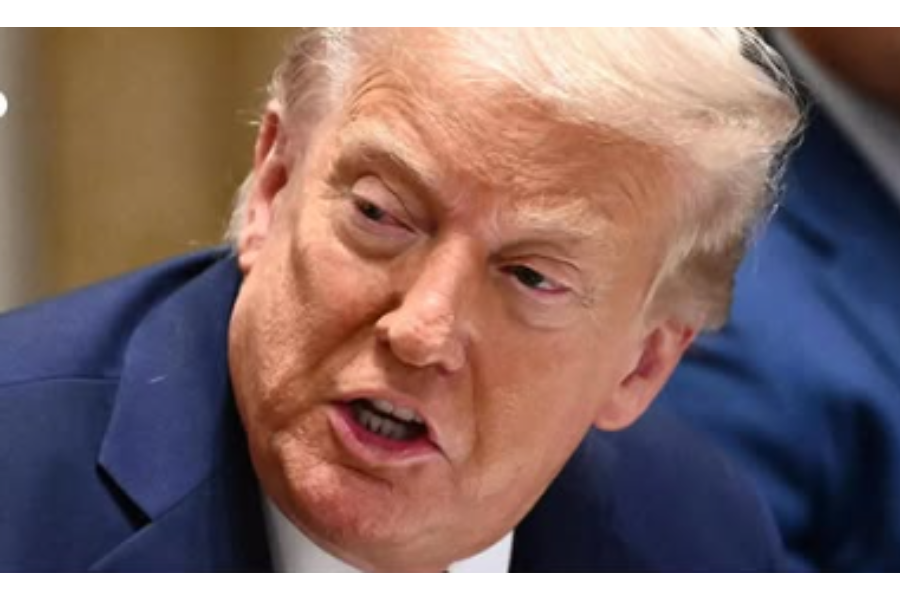
Washington/New Delhi, September 2, 2025 – Trade tensions between India and the United States escalated once again after former U.S. President Donald Trump alleged that Washington has long been disadvantaged in its commercial relations with New Delhi. In a fiery post on his Truth Social platform on September 1, Trump asserted that India has finally offered to reduce tariffs on American goods, but the move, in his view, has come “far too late.”
This latest outburst underscores the ongoing friction between the two democracies, which have clashed over tariffs, oil imports, and broader geopolitical alignments despite being strategic partners in defense and technology.
Trump Accuses India of Exploiting U.S. Market
Trump claimed that the United States imports goods from India in large volumes while exporting relatively little in return. “America does very little business with India compared to the massive amount of goods India sells to us. We are their biggest customer, yet they make it very difficult for us to sell in their markets. This one-sided relationship has been going on for decades,” Trump wrote.
He further accused India of “imposing extremely high tariffs” that restricted U.S. access to its vast consumer market. “India has now offered to reduce tariffs,” Trump said, “but this is something they should have done years ago. It is too little, too late.”
Trump also criticized India’s defense and energy strategies, pointing out that New Delhi continues to buy oil and weapons in large quantities from Russia rather than the U.S., despite Washington’s repeated objections.
Tariff Dispute in the Broader Context
India and the United States have often disagreed over tariff policies. While the U.S. has accused India of being protectionist, New Delhi has argued that its tariff structure is designed to protect domestic industries and ensure balanced trade. The Trump administration had earlier imposed up to 50% tariffs on select Indian imports, sparking retaliatory measures from India and complicating the trade relationship.
The issue gained renewed attention after India allegedly offered a tariff reduction proposal in recent talks. However, Washington remains skeptical about the scope and timeliness of such measures.
The SCO Summit and India’s Global Balancing Act
Adding a geopolitical twist to the dispute, Indian Prime Minister Narendra Modi attended the Shanghai Cooperation Organization (SCO) Summit in China on the same day as Trump’s remarks. Modi held meetings with Russian President Vladimir Putin and Chinese President Xi Jinping, with images of the trilateral engagement quickly going viral worldwide.
While the SCO agenda focused on regional security and economic cooperation, observers noted that the show of unity between India, China, and Russia carried an implicit message to the West. Without naming the U.S., leaders emphasized the importance of multipolarity and resisting unilateral pressure.
This dynamic complicates India’s delicate act of balancing its partnerships: on the one hand, India remains deeply tied to U.S. defense and technology sectors; on the other, its historical and strategic ties with Russia, particularly in energy and arms, remain strong.
U.S. Pressure on Russian Oil Imports
A key flashpoint in the relationship has been India’s continued purchase of discounted Russian oil despite Western sanctions following Moscow’s war in Ukraine. Washington has repeatedly urged India to reduce dependence on Russian energy, but New Delhi has defended its position by highlighting that Europe and China also buy Russian oil.
Indian officials have stated that the country will buy energy from whichever source offers the most favorable deal, emphasizing national interest and energy security. “Double standards won’t work,” Indian ministers have said on multiple occasions, stressing that India’s growing economy cannot afford disruptions in oil supply.
Looking Ahead
While Trump’s remarks reflect his trademark hardline stance, they also highlight enduring challenges in India-U.S. trade relations. The alleged Indian proposal to reduce tariffs could serve as a potential starting point for renewed engagement, but whether it satisfies U.S. demands remains to be seen.
Analysts say that for Washington, India remains a crucial partner in counterbalancing China’s rise, but trade disputes and divergent approaches to Russia complicate the partnership. For India, preserving strategic autonomy while deepening ties with the U.S. requires careful maneuvering.
As both nations head into a period of political transition with U.S. elections approaching and India navigating its own domestic priorities the trajectory of India-U.S. trade relations will likely be shaped by a mix of strategic interests, economic pragmatism, and political rhetoric.
What is clear is that the tariff debate is not merely about economics, but also about the broader geopolitical choices India must make as it seeks to maintain its role as a key global player.