Oppo Reno 14 Review: AI-Powered Photography, Smooth Performance, But Lacks Wireless Charging
Oppo has recently launched the Reno 14 in India, and it brings a mix of powerful hardware, AI-powered photo editing tools, and a sleek design that aims to appeal to premium mid-range smartphone users. Priced between ₹39,999 and ₹42,999, the Reno 14 offers several high-end specifications such as a 50MP triple rear camera system, a 6000mAh battery, the new Dimensity 8350 chipset from MediaTek, up to 12GB RAM, and several AI-integrated features. After spending over a week using this device in daily life, we aim to answer one big question: is this phone worth your money in 2025?
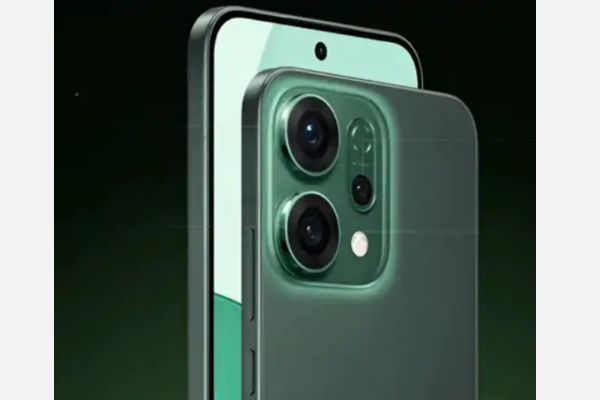
Starting with the design, Oppo Reno 14 impresses with an aerospace-grade aluminum frame and velvet-textured glass back that gives a premium in-hand feel. The phone is lightweight at just 187 grams and has a slim 7.42mm thickness. The rear camera module is arranged in an elegant R-shape, featuring two vertically aligned lenses and a third placed in a capsule-like ring with a triple LED flash below. The phone is available in Pearl White and Forest Green color variants and boasts IP68 and IP69 ratings, offering resistance to water, dust, and even high-pressure jets, making it durable for everyday usage.
The 6.59-inch flat AMOLED display supports a resolution of 2760×1256 pixels, a 120Hz refresh rate, and up to 1200 nits of peak brightness. The display is sharp, vibrant, and provides a smooth scrolling experience, making it a joy to use for content consumption and day-to-day navigation. The ultra-thin bezels (just 1.6mm) add to the immersive viewing experience.
Powering the Oppo Reno 14 is the MediaTek Dimensity 8350 chipset built on a 4nm architecture, capable of clocking speeds up to 3GHz. On benchmarks like AnTuTu, the device scored over 1.4 million, showcasing its ability to handle multitasking and gaming with ease. While games like PUBG and Call of Duty Mobile run smoothly on high graphics, the device may show slight heating during extended heavy gaming sessions. It features LPDDR5X RAM and UFS 3.1 storage, with configurations offering up to 12GB RAM and 512GB storage. App loading times are fast, multitasking is smooth, and overall performance is reliable for a majority of users. However, high-end operations like 4K video editing might still push the hardware to its limits.
Coming to the camera system, the Reno 14 sports a triple rear camera setup consisting of a 50MP Sony primary sensor with OIS, an 8MP ultra-wide lens, and a 50MP JN5 periscope telephoto sensor that supports 3.5x optical zoom. On the front, the phone houses a 50MP selfie camera. In well-lit conditions, photos are sharp and colorful, particularly in portrait mode where the background blur feels natural. The camera also supports up to 120x digital zoom, which can capture distant objects but with only average detail. The AI Audio Focus reduces unwanted sound in 4K 60FPS videos, although video stabilization tends to struggle slightly during movement. In low-light or night mode, images lose sharpness and detail, especially when using zoom beyond 3.5x. The ultra-wide sensor provides a wide field of view but lacks sharpness near the edges. Selfies turn out clear in good lighting, though low-light shots may suffer from overexposure. For daily use and social media sharing, the camera performs well, though it’s not ideal for professional-level photography.
The software experience is another strong point. The Oppo Reno 14 runs on Android 15 with ColorOS 15 on top. The interface is clean, customizable, and user-friendly. What sets it apart is the inclusion of several AI-based tools aimed at enhancing both creativity and productivity. Tools such as Object Eraser, Recompose, Best Face, Perfect Shot, and Reflection Remover allow users to perform advanced photo editing directly from the gallery. These AI features eliminate the need for third-party apps and are intuitive to use even for beginners. Other AI functionalities include AI Summary, which condenses long texts, and AI Writer, which helps users create content with ease. The smartphone supports Google Gemini, a voice-based AI assistant that enhances productivity, and AI Mind Space, which helps users organize and save photos, notes, meetings, and chats in one place. These tools make the device smarter and more versatile for modern-day users.
In terms of connectivity, the Reno 14 features AI LinkBoost 3.0, a smart system that monitors network conditions in real-time and switches to a more stable connection when needed. This ensures uninterrupted internet performance whether you’re on the move or in low signal areas. Battery life is one of the major highlights of this phone. With a massive 6000mAh battery, the phone easily lasts an entire day or more on moderate to heavy usage. It supports 80W fast wired charging, allowing it to charge up quickly. The phone also incorporates Nano Ice Crystal Heat Sink Technology, which absorbs heat three times more efficiently than regular graphite, reducing the chances of overheating during gaming or charging.
However, one glaring omission is the lack of wireless charging. Given the premium pricing and otherwise feature-rich nature of the Reno 14, the absence of this feature may disappoint users who expect it in this segment. It’s also worth noting that while the phone is strong in many departments, photography enthusiasts may find its limitations in low-light and zoom performance.
In conclusion, the Oppo Reno 14 is a strong mid-range smartphone with excellent design, reliable performance, powerful AI tools, and an impressive battery. Its smart editing features, stylish build, and overall smooth experience make it a solid choice for professionals, content creators, and casual users alike. While it could have been an even more complete package with wireless charging and better low-light camera performance, it still delivers great value for its price tag and stands out in the competitive mid-range segment.