India to Launch Free Nationwide HPV Vaccination Programme for 14-Year-Old Girls to Prevent Cervical Cancer
HPV Vaccine: India is set to roll out a nationwide free Human Papillomavirus (HPV) vaccination programme for adolescent girls later this year, marking a major step toward preventing cervical cancer. Health Ministry sources confirmed that the initiative will target girls aged 14 years and will be implemented through government health facilities across the country.
The voluntary vaccination programme will be offered free of cost at designated centres, including Ayushman Arogya Mandirs, community health centres, district hospitals and government medical colleges. According to officials from the Ministry of Health and Family Welfare, all vaccination sessions will be conducted under the supervision of trained medical officers. Adequate arrangements will be in place for post-vaccination observation and for managing rare adverse events, ensuring safety and public confidence.
With this rollout, India will join more than 160 countries that have already introduced HPV vaccination as part of their national immunisation programmes. The move follows detailed scientific review and recommendations by the National Technical Advisory Group on Immunisation (NTAGI), which evaluated global and domestic evidence on vaccine safety and effectiveness.
Vaccine Procurement and Safety Standards
Vaccine supplies for the national rollout have been secured through a globally supported procurement mechanism under India’s partnership with Gavi, the Vaccine Alliance. This ensures access to quality-assured vaccines that meet international regulatory and cold-chain standards, officials said.
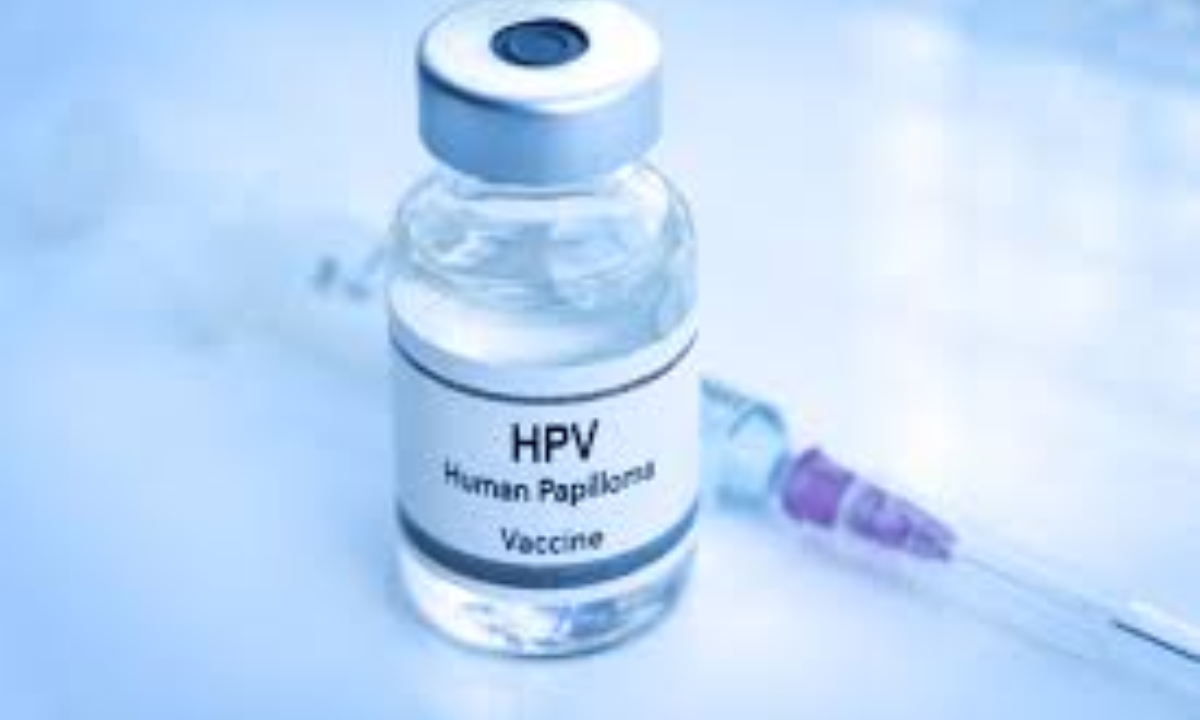
India’s programme will use the quadrivalent HPV vaccine Gardasil, which protects against HPV types 16 and 18—responsible for the majority of cervical cancer cases—as well as types 6 and 11, which cause genital warts.
HPV vaccines have a strong global track record, with more than 500 million doses administered worldwide since 2006. Health authorities note that evidence shows the vaccine is between 93 and 100 per cent effective in preventing cervical cancer caused by vaccine-covered HPV strains.
Why Cervical Cancer Prevention Matters
Cervical cancer is the second most common cancer among women in India. Official data indicate that around 80,000 new cases and over 42,000 deaths are recorded annually. Persistent infection with high-risk HPV strains—particularly types 16 and 18—accounts for more than 80 per cent of cervical cancer cases in the country.
Health experts believe that vaccinating girls before exposure to the virus can significantly reduce the long-term burden of the disease and strengthen preventive healthcare for women. “Early vaccination translates into long-lasting immunity and fewer cancer cases in the future,” a senior health official said.
Why Target Age 14?
The vaccine offers maximum protection when administered before exposure to HPV. Vaccinating girls at age 14 ensures immunity well before potential infection, resulting in durable protection and a substantial reduction in lifetime cancer risk. Studies reviewed by Indian and global health authorities confirm that the immune response is strongest in this age group.
Global guidance also supports simplified dosing schedules. The Strategic Advisory Group of Experts on Immunization (SAGE), in its June 2022 review, concluded that a single-dose HPV vaccine provides protection comparable to two- or three-dose regimens for most adolescents. Similarly, the World Health Organization (WHO), in its December 2022 position paper, stated that a single-dose schedule may be used for girls and boys aged 9–20 years as an off-label option, while immunocompromised individuals may still require multiple doses.
Strengthening Preventive Healthcare
The nationwide HPV vaccination programme reflects India’s broader push toward preventive healthcare and women’s health. By integrating vaccination services into existing public health infrastructure, the government aims to ensure equitable access, particularly for underserved populations.
Officials emphasised that public awareness and community engagement will be key to the programme’s success. As India prepares for the rollout, health authorities hope the initiative will dramatically reduce cervical cancer cases over the coming decades and set a strong foundation for a cancer-free future for millions of women.
Read more…Youth Congress Chief Uday Bhanu Chib Arrested Over Shirtless Protest