Dakor In a spectacular and spiritually charged celebration, the holy town of Dakor witnessed one of its most unique and time-honored rituals on the second day of Diwali, the Annakut Loot. Within just 11 minutes, devotees from 75 nearby villages looted 151 man around 5600 kilograms of Annakut prasad offered to Lord Ranchhodrai, continuing a sacred tradition that has flourished for over 250 years.
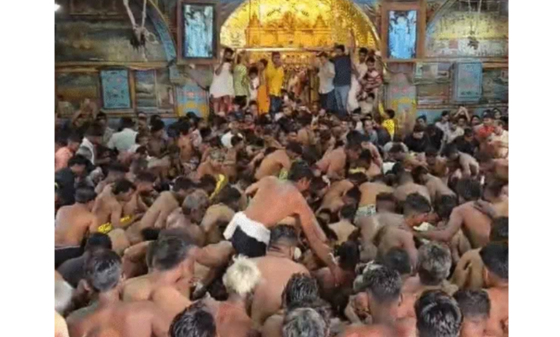
Each year, the Dakor Temple, dedicated to Lord Ranchhodrai, a form of Lord Krishna, becomes the center of divine energy and devotion as thousands gather to participate in this rare ritual. As soon as the temple doors open, invited devotees rush toward the grand mountain of food offerings, chanting Jai Ranchhodrai. The ritual, while appearing chaotic, is actually a deeply symbolic act of faith and gratitude, representing divine abundance and the distribution of blessings among all.
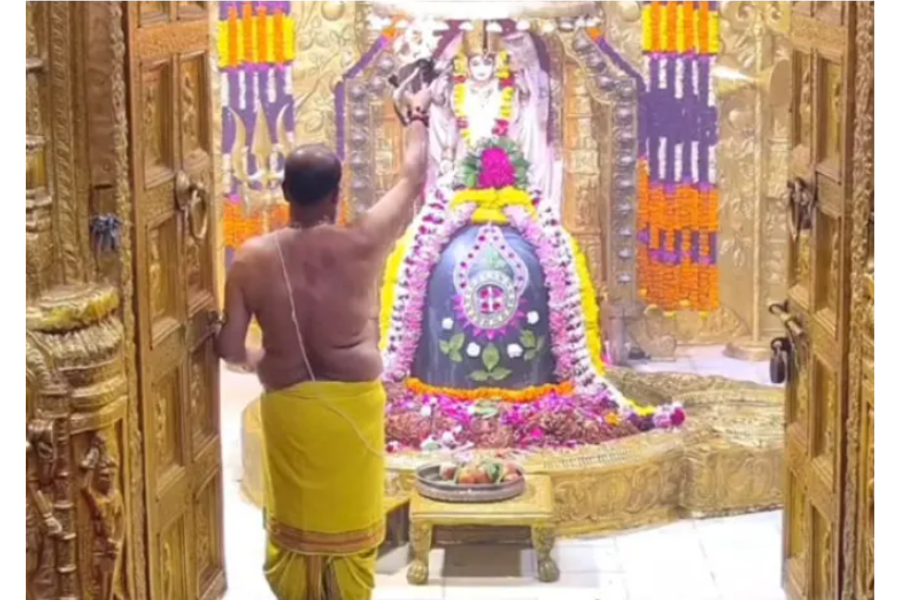
This year, the temple administration prepared an enormous 151-man Annakut that included rice, sweets, fruits, bundis, jalebis, and various delicacies. The mountain-like arrangement was crowned with a bundi laddu weighing 1.25 kilograms, smeared with pure cow ghee, and adorned with a garland of tulsi leaves. Before the ritual began, priests performed Govardhan Puja, expressing gratitude toward Lord Krishna for protecting devotees from natural calamities, and decorated the idol with flowers, ornaments, and sacred offerings.
At precisely 2:00 PM, the temple gates opened, and the invited devotees surged forward in devotion. In just 11 minutes, every morsel of the sacred Annakut was taken. The chants of Jai Ranchhodrai echoed across the temple courtyard as people witnessed a tradition that transforms a loot into a celebration of faith. Onlookers described the sight as both thrilling and divine, a perfect example of unity, devotion, and cultural beauty.
Temple trustee Bharat Sevak explained that this tradition has been alive for over 250 years, ever since the temple’s construction. Farmers from nearby villages offer a part of their first harvest to the Lord. The Annakut prepared from these offerings becomes the divine feast. When devotees take portions of it during the ritual, they are not taking it for themselves alone, it’s shared with their families, the poor, and even animals. It’s about spreading blessings, not hoarding food.
According to temple tradition, only Kshatriyas from 75 surrounding villages are formally invited to participate in the Annakut Loot. However, hundreds of other devotees gather to witness this grand event every year. The looted food is later distributed as prasad among the community, a practice that symbolizes equality, prosperity, and divine connection between man and God.
The offerings to Lord Ranchhodrai were made with the purest ingredients, including saffron, rice, gram flour, and pure ghee. Devotees believe that taking part in the Annakut Loot brings divine grace, prosperity, and protection for their families throughout the year. After the Annakut ritual, the temple’s dome was decorated with the sacred flag, marking the beginning of the new year in Gujarat with blessings and positivity.
The temple premises were filled with joy, chants, and devotion as thousands of pilgrims from across the state visited Dakor to witness this mesmerizing spectacle. The air carried the aroma of sweets and ghee, the sound of conch shells, and the sight of people joyfully sharing prasad. The Annakut Loot, which might appear as a loot to an outsider, is actually a centuries-old act of surrender and celebration, a ritual that embodies the heart of Indian spirituality.
As the sun set over Dakor, devotees returned to their homes carrying the sacred prasad, some for their families, some for those in need, and some for the animals they care for. What began as an act of looting ended as a lesson in sharing, devotion, and the eternal bond between God and His devotees. Once again, Dakor proved why it remains one of Gujarat’s most divine destinations where even a rush for food becomes a rush for blessings.